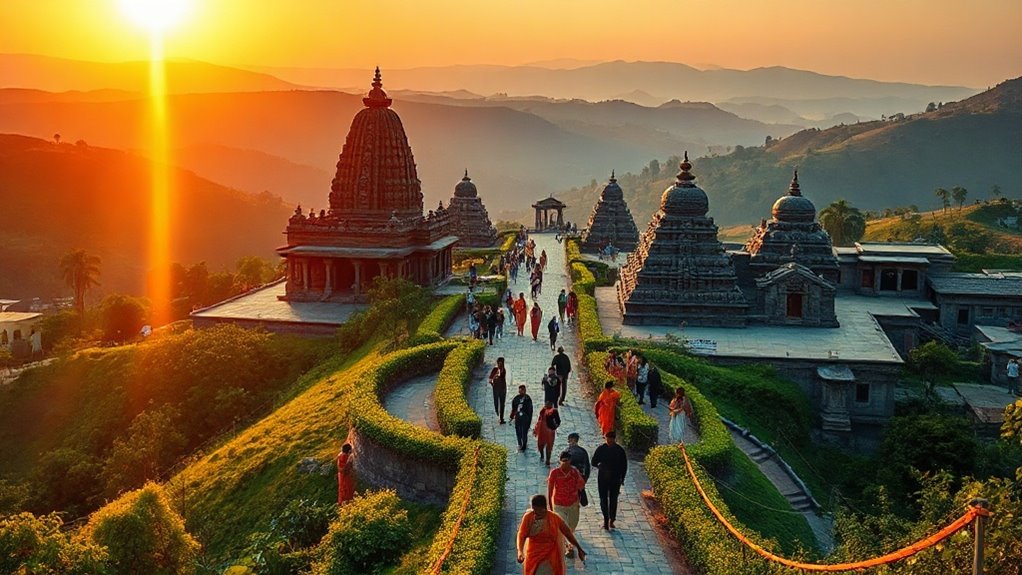
A thoughtful itinerary can turn a short break into a rich experience. A South India tour to South India should match your interests and the time you have. Some travellers want heritage and food. Others prefer nature, local life, or quiet evenings. A balanced plan gives each part of the trip enough space. It also helps you avoid long days that end in tiredness.
There is more to South India than a list of famous stops. Places such as Tamil Nadu, Kerala, and Karnataka show different sides of the region. Add Andhra Pradesh only when the schedule remains comfortable. A good itinerary connects these experiences in a natural flow. It should also leave time for local food, short walks, and simple breaks.
A search for South India Tourism Packages should lead to more than a long sightseeing list. The useful details are route order, travel hours, rest breaks, and support during the trip. Review them before you book. A clear plan protects your time and helps the journey feel calm from the first pickup to the final drop.
Brief Overview
- Compare options by pace and value, not by stop count alone. Group nearby stops such as Tamil Nadu and Kerala. Check travel time, pickup details, and daily inclusions. Plan meals, water, rest, and short comfort breaks. Keep one part of the itinerary flexible for delays or new interests.
Know What Changes Between the Options
Fixed packages are easy to understand and may work well for first visits. Custom plans can fit special interests, family needs, or a slower pace. Compare the final route, not just the label. A custom plan has value only when the changes are useful.
Cost should be read beside inclusions. One quote may cover parking and driver expenses. Another may list them later. Hotel location and vehicle size can also change value. Put each item in the same checklist before deciding.
Compare Pace, Cost, and Coverage
A route should follow geography as well as interest. Mark Tamil Nadu, Kerala, and Karnataka on a map before setting the order. Then look at the roads between them. A neat route saves fuel, time, and energy. It also reduces the chance of arriving late. Avoid crossing the same part of South India several times in one day.
Route order also affects how the trip feels. A busy stop may be easier early. A calm place can work well after lunch. Keep long drives away from the end of a packed day. If you add a side trip toward coastal towns, remove something else. Good planning is often about choosing less, not adding more. When reviewing South India Tourism Packages, ask whether this level of pacing can be built into the final plan.
Think About the Needs of Your Group
Comfort starts with the right vehicle and a clear seating plan. Check space for luggage before the first pickup. Ask about air conditioning and planned breaks. Older travellers may need easier entry and more leg room. Children may need shorter road sections. A suitable vehicle makes every part of the South India tour feel easier.
Keep one small day bag for items used often. Store water, tissues, a power bank, medicine, and basic sun protection there. Leave large bags in the vehicle or hotel when safe. Less weight makes walking easier. It also reduces the chance of leaving something behind during frequent stops.
Choose the Plan That Fits Better
Look beyond the headline duration. A two-day plan may include one late arrival and one early departure. That leaves less useful time than expected. Ask how many full travel hours are available. Check the distance between major stops. This is especially important when the route extends beyond South India.
Reviews can help, but read them with care. Look for comments about timing, vehicle condition, driver conduct, and route support. Do not rely on star ratings alone. Your trip may have different needs. Use reviews as one signal, then confirm the details that matter to your own group.
Use local advice without giving up your main priorities. A driver may know a better road toward coastal towns. A guide may suggest changing the order near Tamil Nadu. Listen to the reason, then check how the change affects the rest of the day. Good local advice can save time and improve comfort. Still, the group should understand any major change before it happens. Clear decisions prevent confusion. They also keep the journey cooperative, which matters when several people have different interests or energy levels.
Frequently Asked Questions
Is the longer travel option always better?
No. A longer trip gives more time, but it may also cost more. A shorter plan can work well when priorities are clear. Compare useful sightseeing hours, road time, rest, and inclusions before choosing.
What is the best way to plan daily sightseeing?
Begin with one major stop and group nearby places around it. Keep the final part of the day light. Add time for traffic, food, photos, and short breaks. This creates a route that feels steady even when a small delay occurs.
Should travellers choose a fixed or custom itinerary?
A fixed plan is simple and can suit a first visit. A custom plan helps with special interests, family needs, or a slower pace. The better choice is the one that uses time well and explains all costs clearly.
What should be checked before confirming a package?
Review the route, pickup and drop points, vehicle, hotel level, fees, and change terms. Ask about daily travel hours. Share passenger and luggage details. Keep the final plan and price in writing so expectations remain clear.
Can the itinerary be changed during the trip?
Small changes are often possible, but they depend on distance, time, and local conditions. Agree on the main route first. Keep one optional Temple Tour Packages from Madurai stop. Speak with the driver or tour contact before making a change that affects the rest of the day.
Summarizing
Planning seven-day vs ten-day south india trips: which plan suits you? becomes easier when pace comes before stop count. Group nearby places, protect time for breaks, and check every important detail before booking. A calm plan can still hold rich experiences. It simply gives each place and each traveller the time they need.
Before you confirm the trip, read the final route once more and make sure it reflects these needs. Ask direct questions and keep the agreed details in writing. With a realistic schedule and a little flexibility, you can focus less on logistics and more on the places, people, and shared moments along the way.
Laro Travels and Tours
PL NO. 1/TS NO.2101, Aravind Nagar, Kumbakonam, Thanjavur District, Tamilnadu – 612001, India
063698 13636